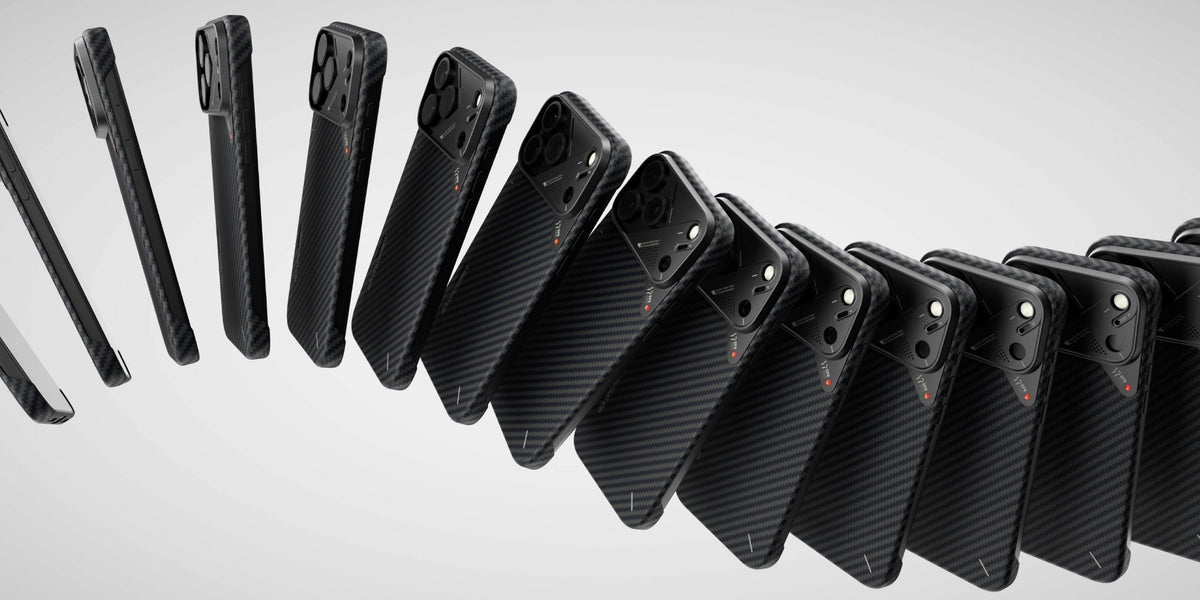
Aramid fiber and carbon fiber are both high-performance fibers, but they are designed for different performance priorities. Carbon fiber is known for its high stiffness, low weight, dimensional stability, and electrical conductivity, while aramid fiber is valued for its high toughness, impact resistance, low weight, and electrical insulation.
In simple terms, carbon fiber is generally a good fit when stiffness and rigidity are the priority, while aramid fiber is often preferred when toughness and impact resistance are more important.
The two materials are not the same, even though they can look similar when woven. In this guide, we compare aramid fiber vs carbon fiber in terms of strength, stiffness, toughness, weight, heat resistance, electrical conductivity, applications, and phone cases.
What is carbon fiber?
Definition: Carbon fiber is a high-performance fiber primarily composed of carbon. It is widely used as a reinforcement material in composite structures because of its combination of low weight, high strength, and high stiffness.
Basic structure: Carbon fiber consists of extremely fine filaments in which carbon atoms form highly oriented structures along the fiber. Individual filaments are typically around 5–10 micrometers in diameter. These filaments can be bundled into yarns and woven or arranged into layers to produce carbon fiber-reinforced composite materials.
Characteristics: Carbon fiber is characterized by high tensile strength, very high stiffness, low weight, good dimensional stability, corrosion resistance, electrical conductivity, and relatively low toughness compared with aramid fiber.
Application scenarios: Considering the properties, definition, and structure of carbon fiber, its main application scenarios are those that require both lightweight and high rigidity.
-
Aerospace: Aircraft structure and rocket construction;
-
Automotive industry: Racing cars also involve the construction of lightweight chassis;
-
Sports equipment: bicycles, tennis rackets, and golf clubs;
-
Wind power industry: Wind turbine blades on generators;
- Construction Engineering: Reinforced Composite Materials
What is aramid fiber?
Definition: Aramid fiber is a high-performance synthetic fiber made from aromatic polyamide polymers. Its molecular structure contains strong, rigid polymer chains that contribute to its high strength, toughness, heat resistance, and low weight.
Basic structure: Aramid fibers consist of long, highly oriented polymer chains. Individual filaments are very fine, and many aramid fibers have a characteristic yellow or golden appearance, although color can vary depending on the fiber and application.
Characteristics: Aramid fiber is characterized by high tensile strength, high toughness, excellent impact resistance, low weight, heat resistance, chemical resistance, and electrical insulation.
Application scenarios: Due to the characteristics and structure of aramid fibers, we can find them in industries that require tensile strength, impact resistance, and high-temperature resistance. In these scenarios, aramid fibers can demonstrate their greatest advantages.
-
Protective equipment: bulletproof vest, cut-resistant gloves, helmet;
-
Industrial materials: high-strength ropes, conveyor belts;
-
Aerospace: Composite material reinforcement;
-
Sports equipment: sails, climbing ropes, tennis rackets

Aramid Fiber vs Carbon Fiber: Key Differences
We can use a table to distinguish between these two materials.
|
Characteristic
|
Carbon fiber
|
Aramid fiber
|
|
Strength
|
High
|
High
|
|
Rigidity
|
Very high
|
Medium
|
|
Toughness
|
Lower (more brittle)
|
Very high (impact resistance)
|
|
Impact resistance
|
Lower
|
High
|
|
Weight
|
Very light
|
Very light
|
|
Heat resistance
|
High
|
Very high
|
|
Electrical conductivity
|
Conductive
|
Non-conductive
|
|
Best suited for
|
Rigidity and dimensional stability
|
Toughness and impact resistance
|
Carbon fiber generally offers higher stiffness and rigidity, making it useful when dimensional stability and structural performance are important. Aramid fiber, on the other hand, is known for its toughness and impact resistance, allowing it to absorb more energy before failure.
This does not mean that one material is universally stronger than the other. Their performance depends on the specific property being measured, as well as the fiber grade, orientation, composite structure, and manufacturing process.
Carbon Fiber: Advantages and Disadvantages
Carbon fiber offers very low weight, high strength, high stiffness, good dimensional stability, corrosion resistance, and electrical conductivity.
Its main limitations include relatively low toughness compared with aramid fiber and greater susceptibility to damage from certain types of impact. Carbon fiber is also electrically conductive, which can be a consideration in applications where electrical insulation is required.
Aramid Fiber: Advantages and Disadvantages
Aramid fiber is valued for its high strength-to-weight ratio, toughness, impact resistance, heat resistance, and electrical insulation. Its low weight makes it useful in applications where protection or reinforcement is needed without adding substantial mass.
However, aramid fiber can have lower compressive performance than carbon fiber and may be affected by prolonged exposure to ultraviolet radiation. Depending on the application, protective coatings or other measures may therefore be used.
Carbon Fiber vs Aramid Fiber Phone Cases
When choosing between a carbon fiber phone case and an aramid fiber phone case, the key difference is not simply strength. Stiffness, toughness, weight, electrical properties, and overall case construction all affect the final product.
Aramid Fiber Phone Cases
Aramid fiber is well suited to slim phone cases because it combines low weight with high tensile strength and toughness. It is also electrically insulating, which distinguishes it from conductive carbon fiber.
For users who prioritize a thin, lightweight case with a woven technical appearance, aramid fiber is a common material choice.
However, the performance of a finished case depends on more than the fiber itself. The weave, thickness, matrix material, edge construction, and overall case design can all affect protection and durability.
Carbon Fiber Phone Cases
Carbon fiber offers very high stiffness, low weight, and a distinctive technical appearance. However, carbon fiber is electrically conductive and can be more brittle than aramid fiber.
The performance of a finished carbon fiber phone case also depends on factors such as fiber orientation, layup, resin system, thickness, and overall construction.
Which Material Is Used in aulumu Phone Cases?
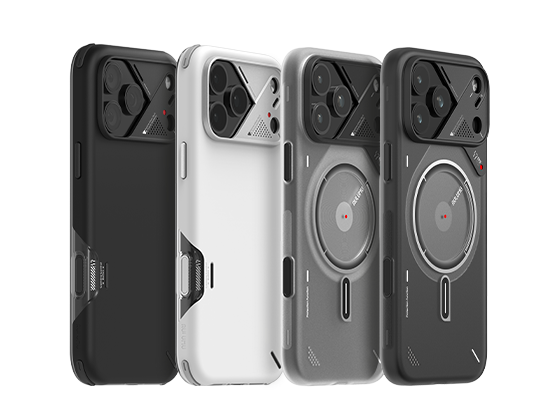
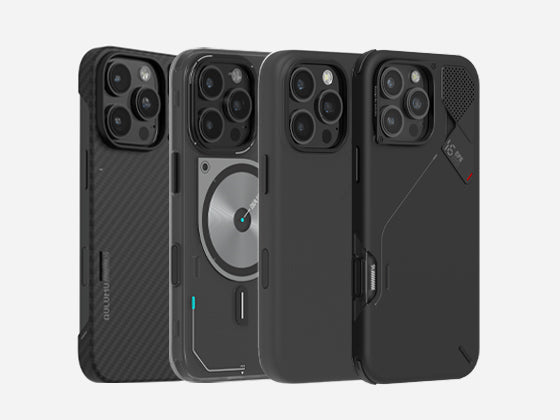
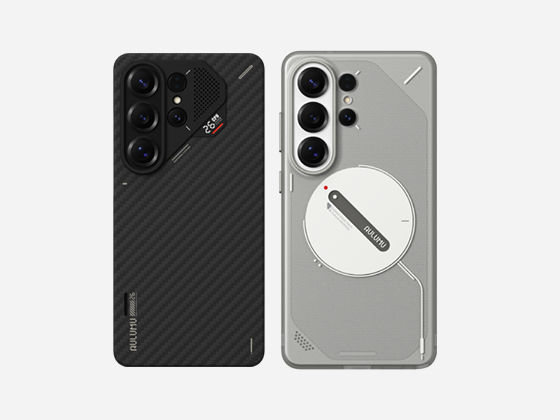
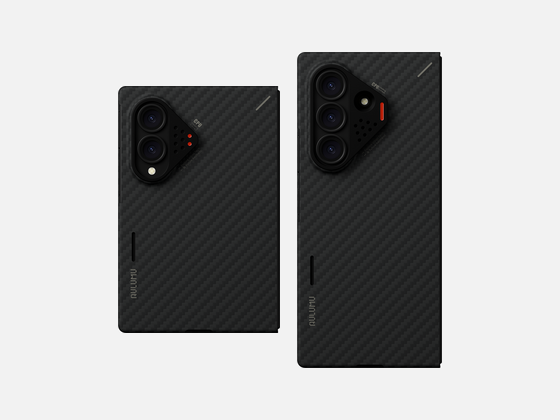
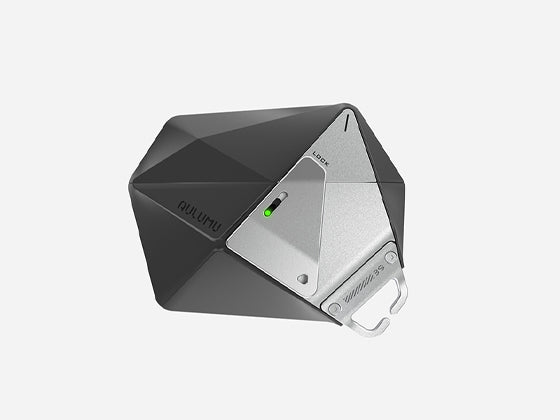
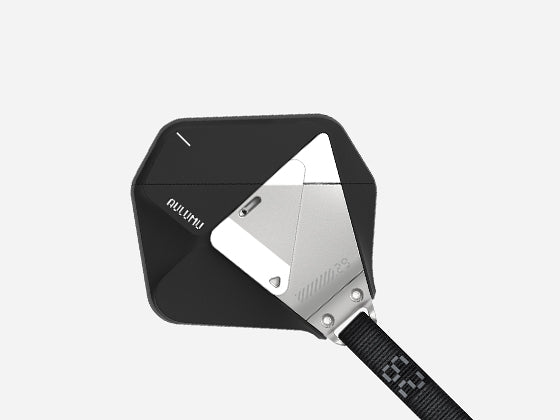
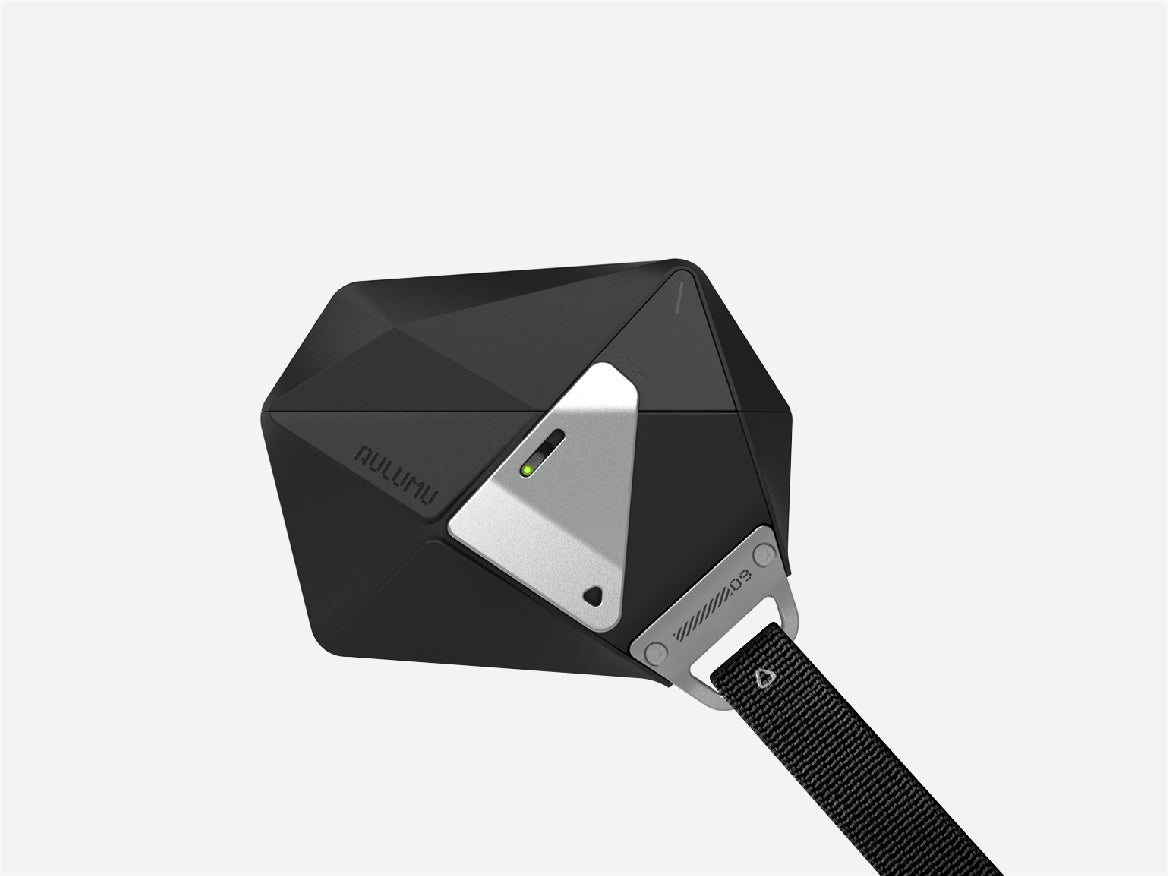
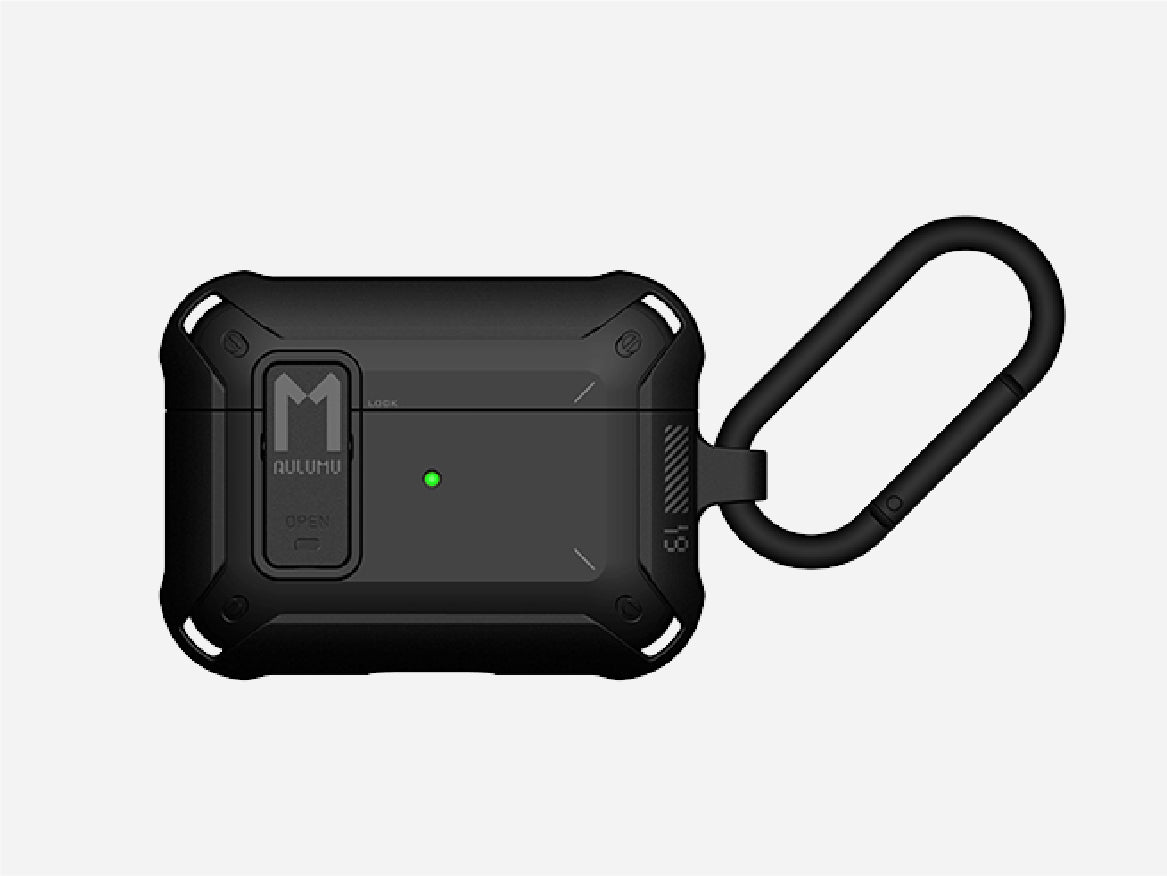
aulumu offers aramid fiber phone cases designed around a thin and lightweight profile. Depending on the model, features such as magnetic compatibility, structural design, and heat-spreading elements may vary.
Users should check the specifications of the individual case model for details about its materials, construction, compatibility, and protection features.
In short, aramid fiber is often chosen for thin, lightweight cases where toughness and flexibility are important, while carbon fiber is more focused on stiffness and rigidity. However, the construction of the finished case matters just as much as the fiber itself.
Everyday use of carbon fiber and aramid fiber
We previously mentioned the main application scenarios for carbon fiber and aramid fiber. Apart from sports, other scenarios are mainly engineering applications. However, carbon fiber and aramid fiber are now gradually being integrated into accessories in our daily lives.
Suitcases: Some suitcases now use carbon fiber as a material for better protection. Carbon fiber suitcases are lighter in weight, so they won't add to your luggage. At the same time, they are more rigid, which can reduce the possibility of damage during transportation.
High-end watch straps: Some high-end watch straps and cases are designed using carbon fiber as the material. Carbon fiber cases are relatively lightweight, so they won't increase pressure or strain on the wrist when worn. At the same time, carbon fiber, as a case material, also provides high rigidity to protect the watch, so there's no need to worry about it being damaged.
For example, the aulumu A01 carbon fiber watch case and strap features a case made entirely of carbon fiber, which is durable yet maintains a feather-light weight, adding no burden to the wrist. The thermo-pressed carbon fiber ensures that each case is unique and maintains its stability, giving your watch a sense of security.

Frequently Asked Questions
What is the difference between carbon fiber and aramid fiber?
Carbon fiber and aramid fiber are both lightweight, high-performance fibers, but they have different properties. Carbon fiber is known for its high stiffness, rigidity, dimensional stability, and electrical conductivity. Aramid fiber is known for its high toughness, impact resistance, strength-to-weight ratio, and electrical insulation.
In simple terms, carbon fiber is generally a good fit when stiffness and rigidity are important, while aramid fiber is often preferred when toughness and impact resistance are more important.
Is aramid fiber the same as carbon fiber?
No. Aramid fiber and carbon fiber are different materials with different chemical structures and performance characteristics.
Carbon fiber is primarily composed of carbon and is electrically conductive. Aramid fiber is an aromatic polyamide material and is electrically insulating. Although both materials can be woven into similar-looking fabrics, they are not the same type of fiber.
Is aramid fiber stronger than carbon fiber?
It depends on which type of strength is being considered. Carbon fiber offers very high tensile strength and stiffness, while aramid fiber is particularly known for its toughness and impact resistance.
Therefore, it is not accurate to say that one material is simply “stronger” in every situation. Carbon fiber can be advantageous when rigidity and dimensional stability are important, while aramid fiber can be advantageous when impact resistance and toughness are more important.
What is aramid fiber made of?
Aramid fiber is made from aromatic polyamide polymers. Its molecular structure contains strong, rigid polymer chains that contribute to its high strength, toughness, heat resistance, and low weight.
Aramid is a broader family of high-performance synthetic fibers that includes different types and grades. These fibers are used in applications ranging from protective equipment and aerospace components to ropes, composite materials, and consumer products.
Is Kevlar the same as aramid fiber?
Kevlar® is a type of aramid fiber, but “Kevlar” and “aramid fiber” are not interchangeable terms.
Aramid refers to a broader family of high-performance synthetic fibers made from aromatic polyamide polymers. Kevlar® is a specific brand of para-aramid fiber developed by DuPont. Other manufacturers also produce aramid fibers under different brand names and grades.
In simple terms, Kevlar is aramid fiber, but not all aramid fibers are Kevlar.
What is the difference between an aramid fiber case and a carbon fiber case?
The main difference is the balance between stiffness and toughness.
Carbon fiber cases generally emphasize rigidity and dimensional stability, while aramid fiber cases can emphasize toughness, impact resistance, and low weight. Aramid fiber is also electrically insulating, whereas carbon fiber is electrically conductive.
For users looking for a thin and lightweight phone case, both materials can be suitable. However, the final performance depends not only on the fiber but also on factors such as the weave, thickness, internal structure, edge coverage, matrix material, and overall case design.
Does aramid fiber dissipate heat?
Aramid fiber itself is not a highly thermally conductive material like metals. Its primary advantages are low weight, strength, toughness, and heat resistance.
For a phone case, any heat-spreading or cooling performance depends on the complete case structure and any additional materials used. Therefore, the thermal performance of a finished aramid fiber case should not be attributed to the fiber alone.
Conclusion
Carbon fiber and aramid fiber are both high-performance materials, but they offer different combinations of properties.
Carbon fiber is known for its high stiffness, rigidity, low weight, and electrical conductivity. Aramid fiber is known for its toughness, impact resistance, low weight, and electrical insulation.
The right choice depends on the requirements of the application. When rigidity and dimensional stability are important, carbon fiber can be a suitable choice. When toughness, impact resistance, and lightweight construction are more important, aramid fiber can be a strong option.
Understanding these differences can help you choose the right material for applications ranging from aerospace and sports equipment to everyday products such as phone cases.