

Every autumn, the global consumer electronics industry witnesses a significant technological milestone – IFA Berlin. As one of the world's most representative consumer electronics shows, IFA is not only a platform for major brands to showcase new products but also an important window into the future development direction of consumer electronics technology. Entering 2026, the smartphone industry is undergoing a significant transformation. In the past, smartphone manufacturers primarily competed on processor performance, camera pixels, screen refresh rates, and battery capacity; now, AI, foldable screens, advanced chips, satellite communications, smart wearables, and the mobile ecosystem are becoming the new focal points of competition. So, what might IFA 2026 tell us? In which direction will future smartphones ultimately evolve?
 The smartphone industry is entering a new phase
Over the past decade, smartphones have evolved from an emerging consumer electronics product into one of the most important digital devices in modern life. From social networking, payments, and shopping to photography, navigation, work, and entertainment, smartphones have taken on increasingly diverse functions. However, traditional hardware upgrades are gradually encountering bottlenecks. In terms of hardware, whether it's the phone's processor, screen updates, camera, or battery, they have all reached a relatively high level.
Therefore, the next stage of smartphone competition is no longer just about "who has the higher specs." The real competition is shifting from hardware specifications to intelligent experiences. AI is one of the most important changes in this regard. Future smartphones may not just be tools for "executing instructions," but will gradually become personal intelligent terminals capable of understanding user needs, proactively providing assistance, and even automatically completing tasks.
AI will be at the core of the next generation of mobile phones
If AI was merely a feature in smartphones in the past few years, by 2026, it is gradually becoming a fundamental capability of mobile platforms. Early AI smartphone features primarily focused on photo optimization, voice assistants, real-time translation, and text generation. In the next stage, AI may further penetrate operating systems and various applications.
For example, when a user says, "Find all the travel photos I took last week and organize them into an album," future AI might directly understand this request and automatically complete the photo search, filtering, and organization. This means that mobile phone interaction may gradually shift from operating on traditional app-based functions to showcasing AI-integrated features. This is also why the concept of AI Agents is gaining increasing attention. Therefore, the core competitiveness of future flagship phones may no longer be just "how high their benchmark scores are," but rather how many AI tasks they can complete locally.
Foldable screen phone
Besides AI, foldable screens remain one of the most noteworthy trends in the mobile device field. One of the biggest limitations of traditional smartphones is the conflict between screen size and portability. Users want a larger display area but don't want their phones to be bulky and heavy. Foldable screens are attempting to solve this problem. Currently, foldable screens on the market can be mainly divided into Fold Style and Flip Style .
When unfolded, the Fold Style is nearly the size of a tablet, suitable for multitasking , watching videos, mobile office work, gaming, and even serving as a portable e-reader. The Flip Style , on the other hand, reduces the phone's size by folding vertically, emphasizing portability, one-handed operation, external screen interaction, and style. Future foldable devices may continue to evolve towards Tri-fold, Rollable Display, and other flexible screen forms. However, for foldable screens to truly reach the mass market, several issues need to be addressed, such as body thickness, weight, screen creases, hinge reliability, flexible screen durability, and battery space planning. Of course, the design of foldable phone cases is also crucial.
 Mobile phone performance
Chip
Mobile processors remain the foundation of smartphone development. However, by 2026, simply pursuing CPU performance will be increasingly less of a decisive selling point. The next generation of mobile SoCs needs to handle multiple tasks simultaneously. In recent years, mobile chips have gradually moved towards more advanced manufacturing processes. The core goal is not merely to improve peak performance, but to reduce power consumption while maintaining the same performance, or to provide higher performance while maintaining the same power consumption.
Battery & Charging
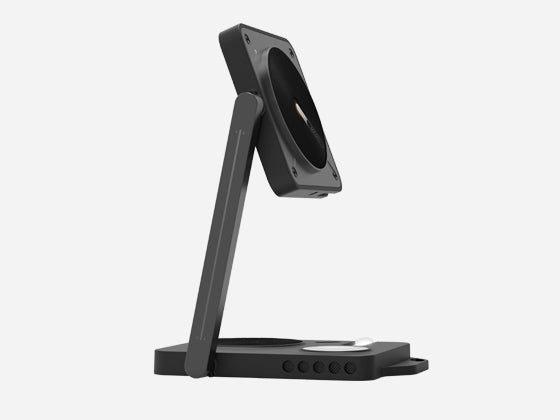
With the increasing prevalence of AI, 5G, high refresh rate screens, and high-performance GPUs, mobile phones are demanding more and more power. Therefore, future mobile phone battery technology is likely to see two distinct trends. First, high energy density . Besides traditional lithium-ion batteries, technologies such as silicon-carbon anodes are becoming a focus of the industry. Higher energy density means storing more electricity in the same volume . Second, more efficient charging systems . This includes the continuous development of fast charging technology , while GaN chargers, magnetic charging accessories, and multi-device charging stations will become important components of the mobile ecosystem.
5G, 6G and satellite communication
The future of smartphones depends not only on the phone itself but also on how it connects to external networks. 5G has become the mainstream mobile communication technology, while 6G represents the next stage of development. At the same time, satellite connectivity is becoming an important functional direction for smartphones. The greatest value of satellite communication is not to replace traditional mobile networks, but to provide basic connectivity in the absence of cellular network coverage. This is useful for outdoor adventures, travel in remote areas, or sending messages during disasters. This also means that future phones will increasingly be suitable as truly "all-weather mobile communication terminals."
Mobile phone photography
Mobile phone cameras have become one of the most fiercely competitive areas in flagship smartphones. In the past, manufacturers liked to emphasize the number of pixels in a phone's camera alone. But today, simply increasing the number of pixels is no longer enough to represent complete imaging capabilities. The future of mobile phone photography will rely more on multi-faceted processing, with sensors, lenses, image processors, and AI algorithms working together to complete the final image. Therefore, the competition in mobile phone photography is gradually shifting from "hardware parameter competition" to "software and hardware synergy."
Mobile digital ecosystem
If future smartphones only focus on hardware upgrades, their potential is actually quite limited. What's truly noteworthy is that smartphones are becoming the central connection between different devices.
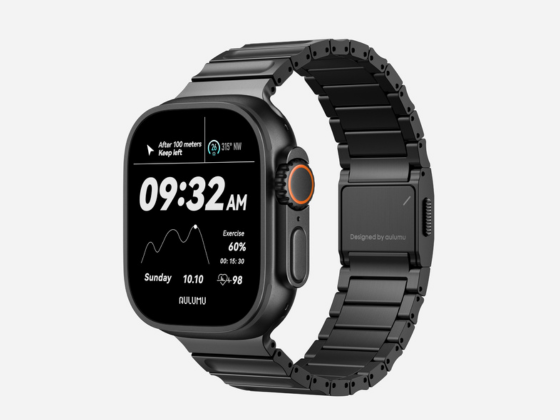
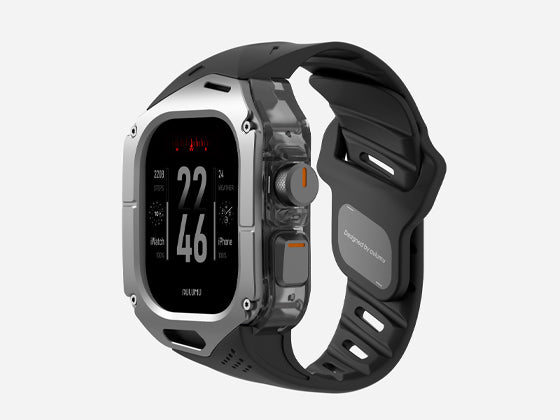
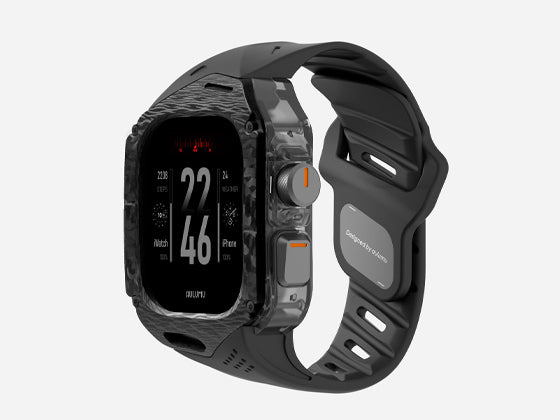
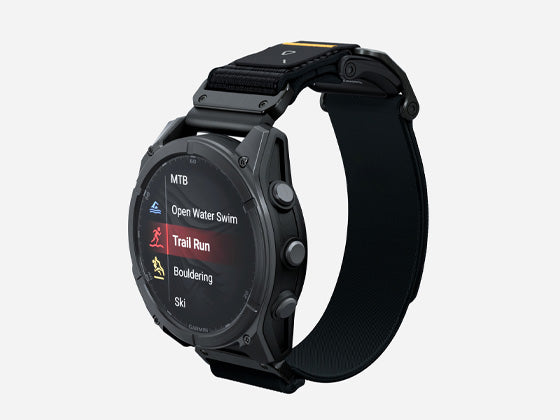
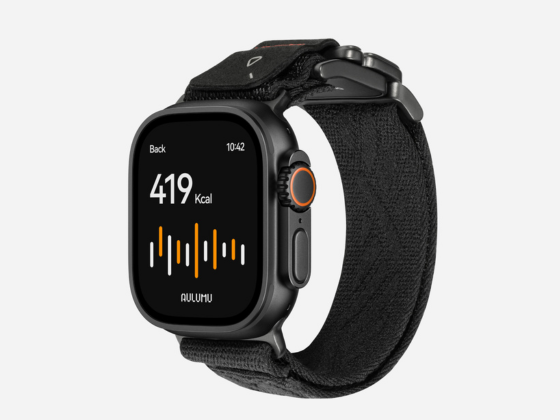
Smartphones and smartwatches can share health data, message notifications, calls, payment systems, and exercise data; smartphones and smart glasses can jointly handle AR navigation , real-time translation , AI assistants , and visual search functions; smartphones and headphones may become important tools for AI interaction, allowing users to perform functions such as information retrieval, translation, content playback, and device control without taking out their phones; smartphones and cars could transform the phone into a digital key, navigation device, and entertainment control center for the vehicle. Therefore, future smartphones may no longer be just "phones , " but rather the core of a personal digital ecosystem.
Mobile phone accessories
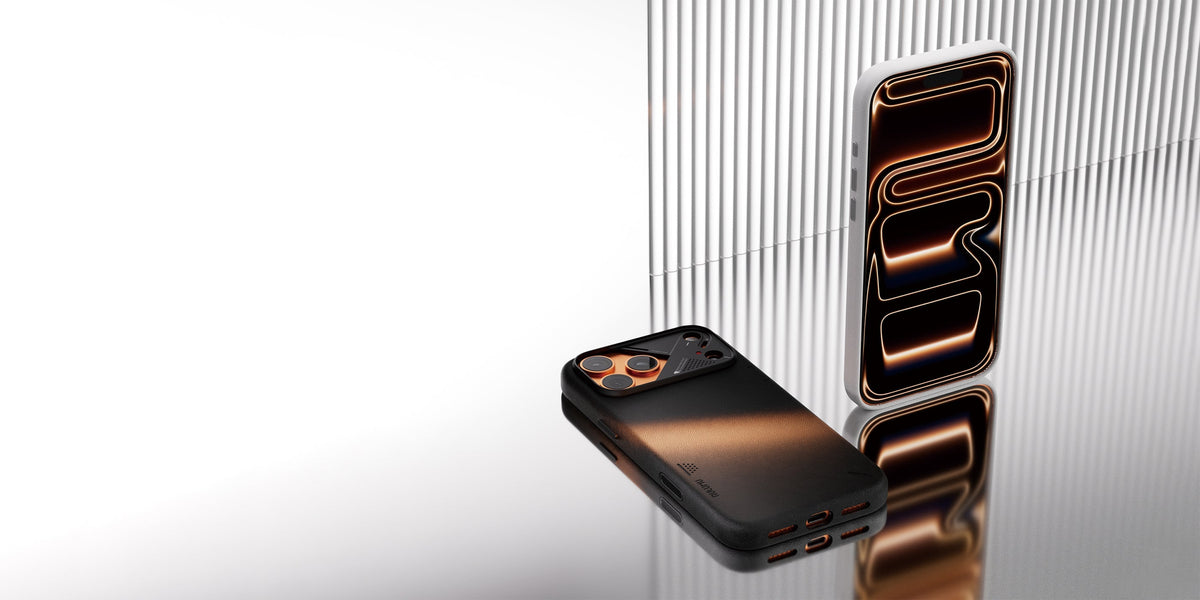
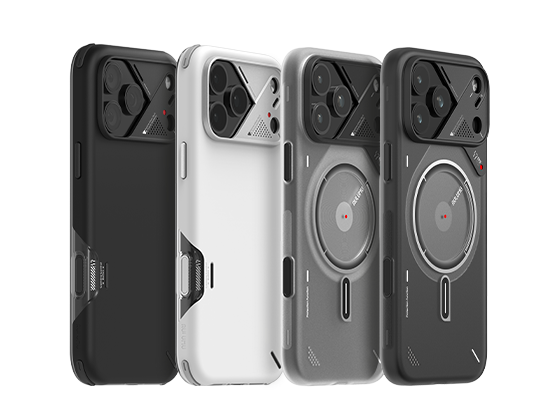
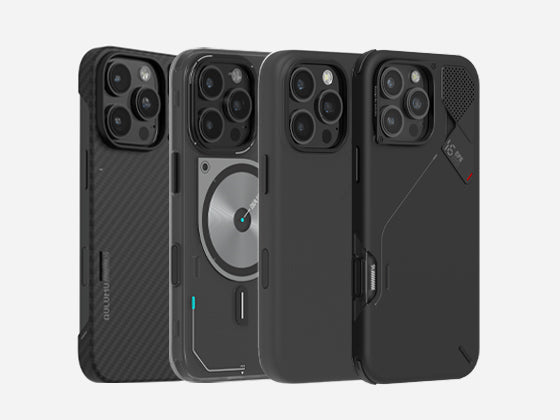
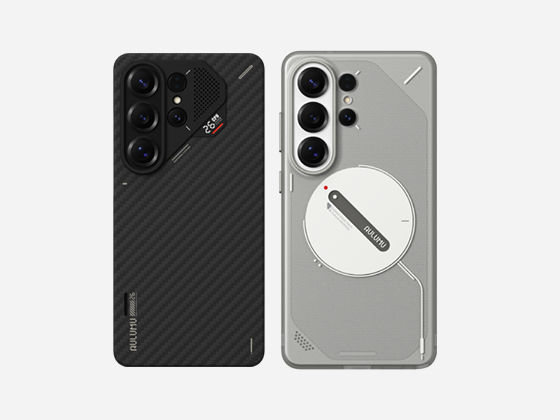
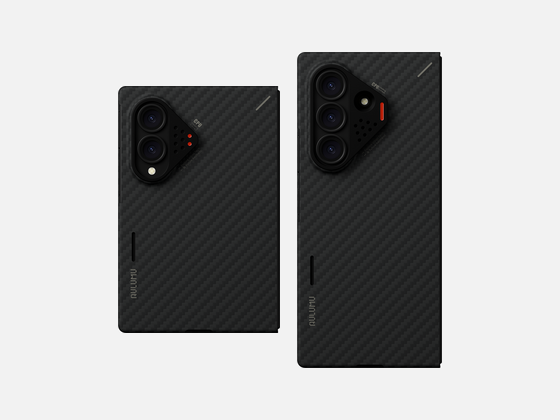
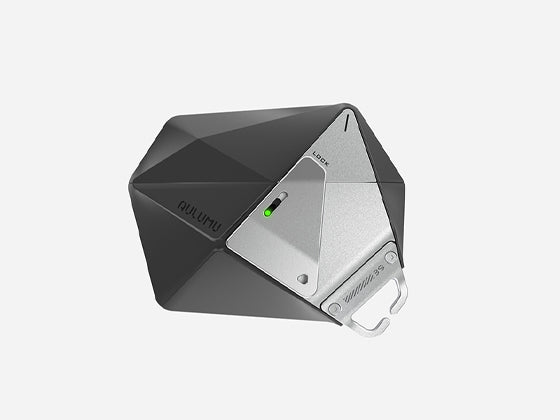
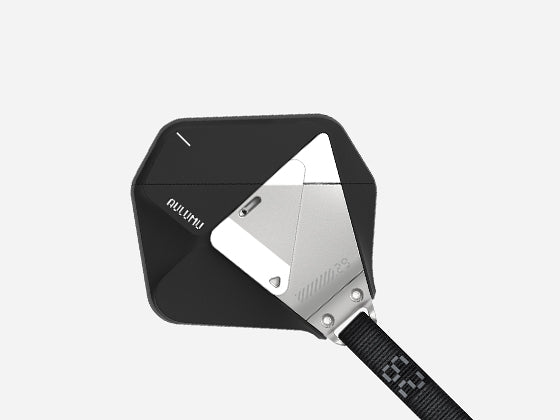
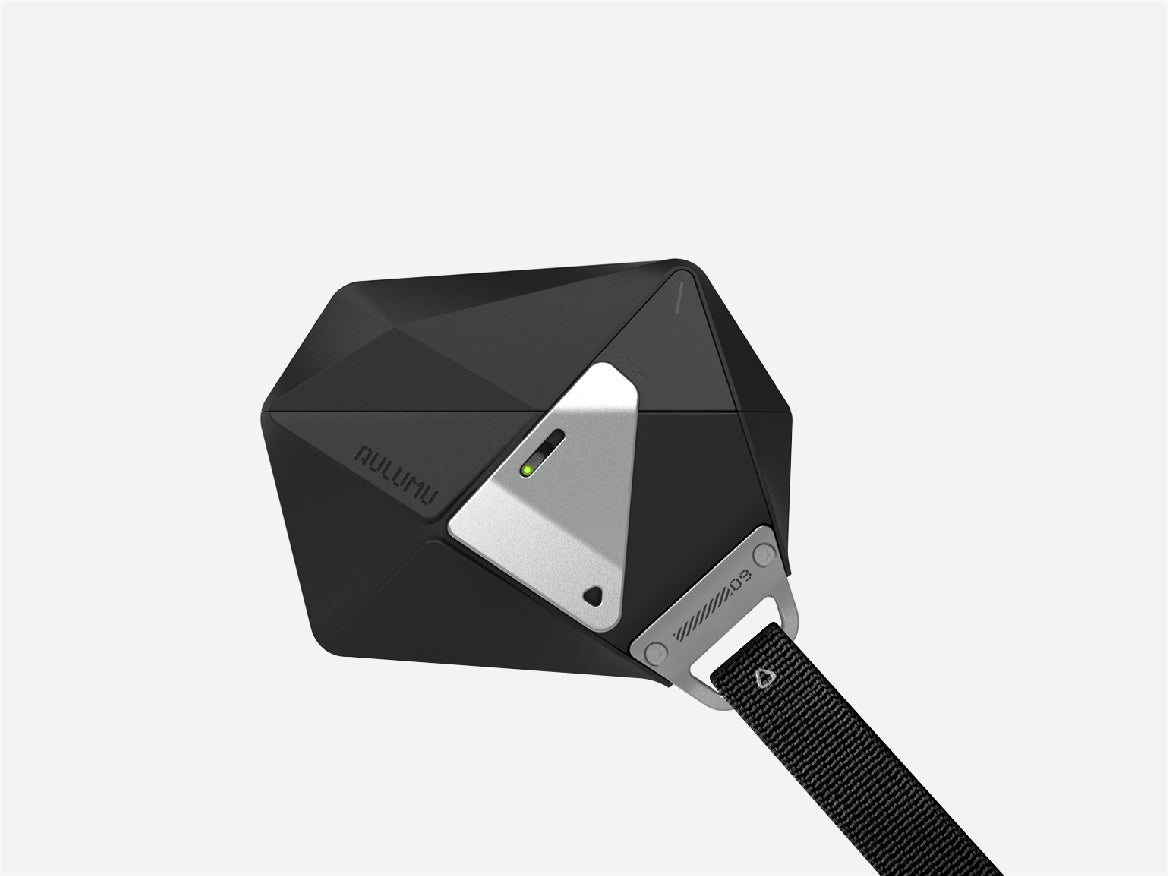
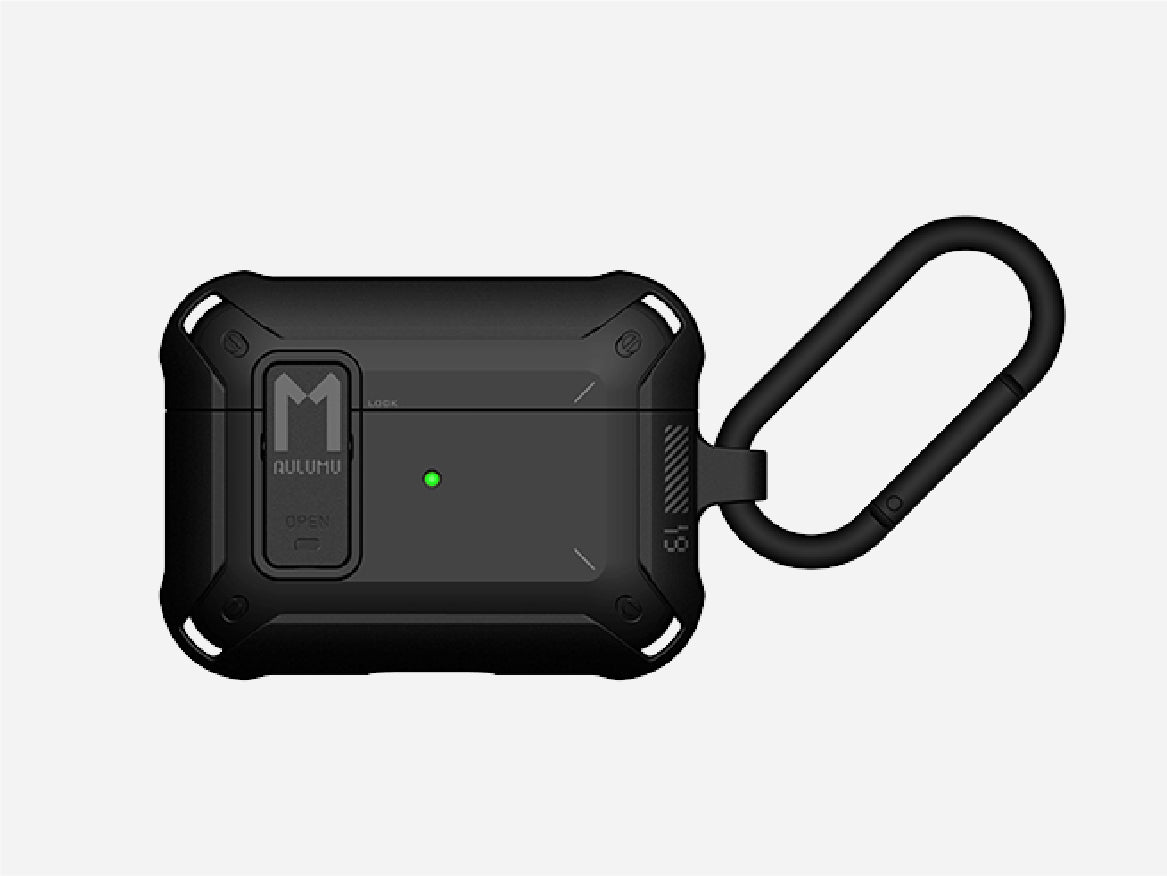
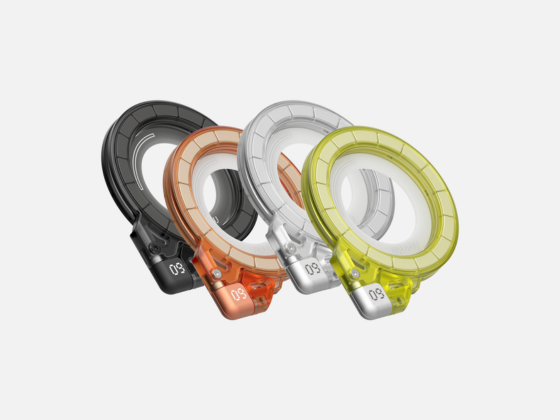
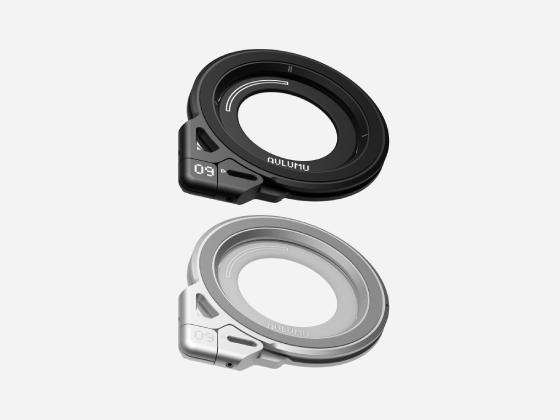
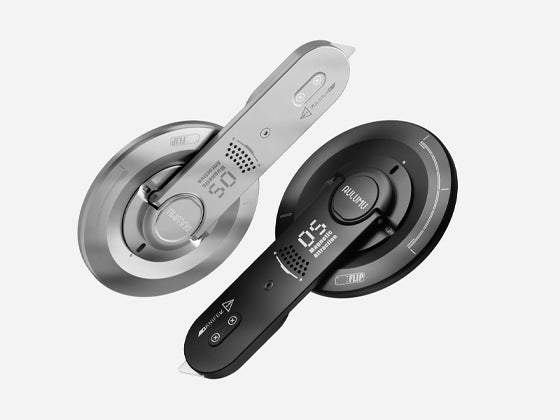
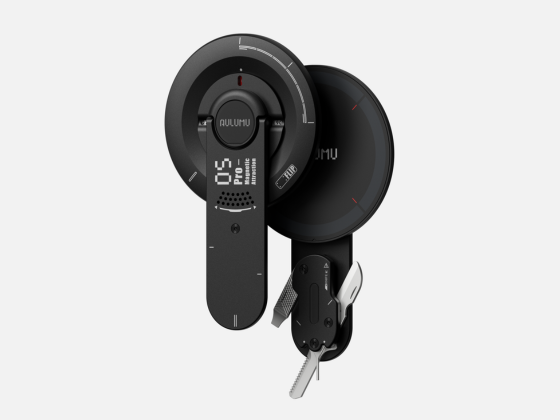
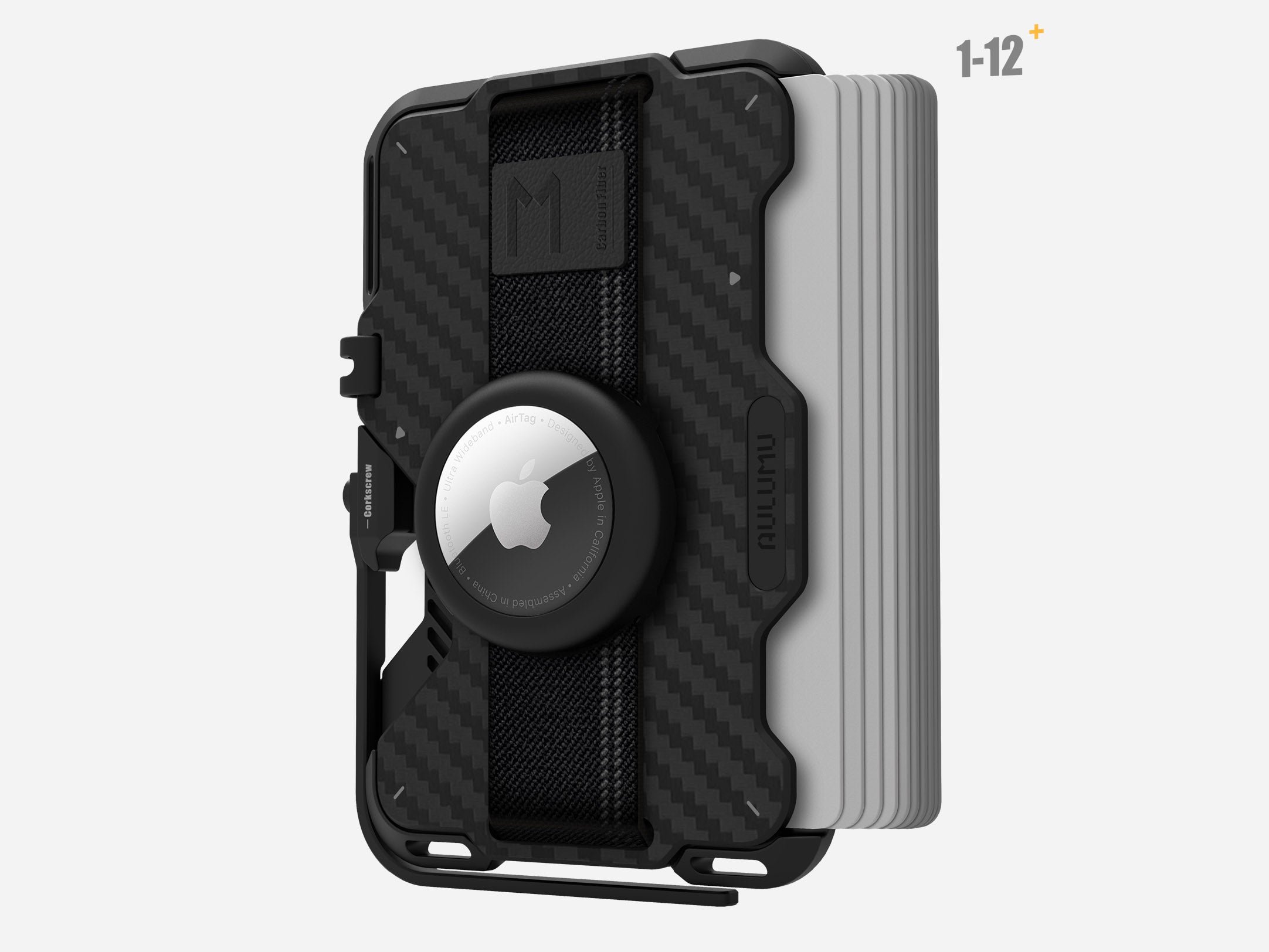
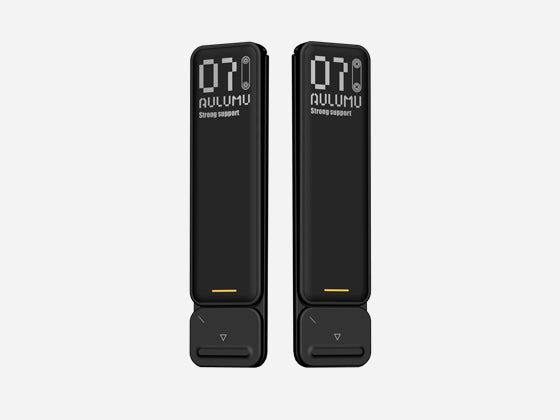
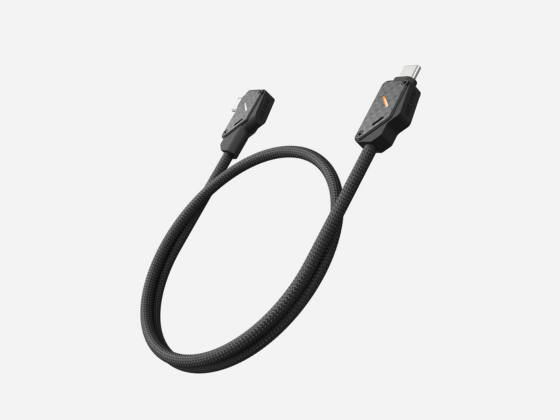
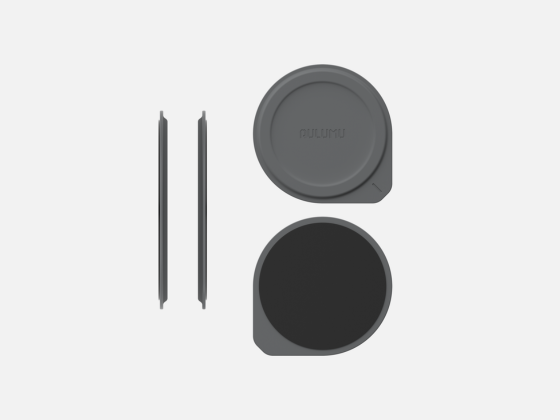
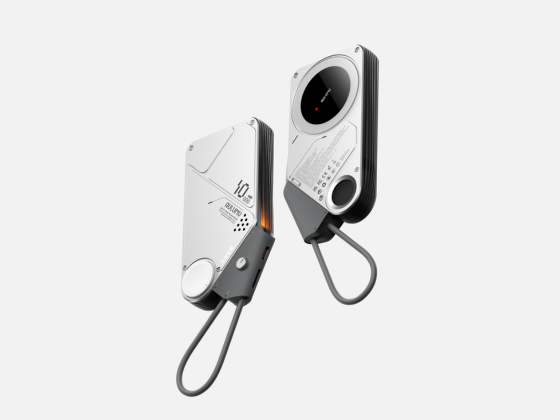
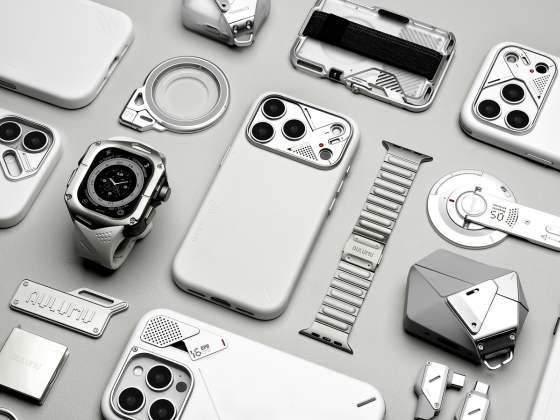
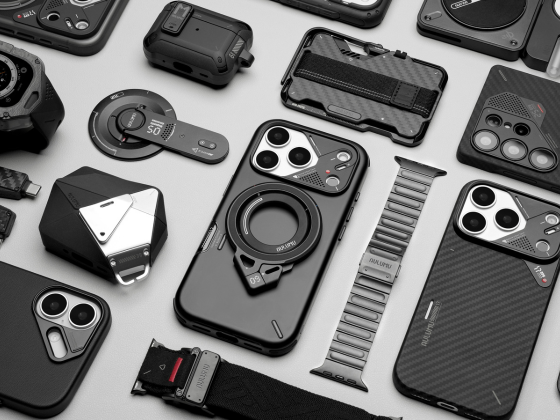
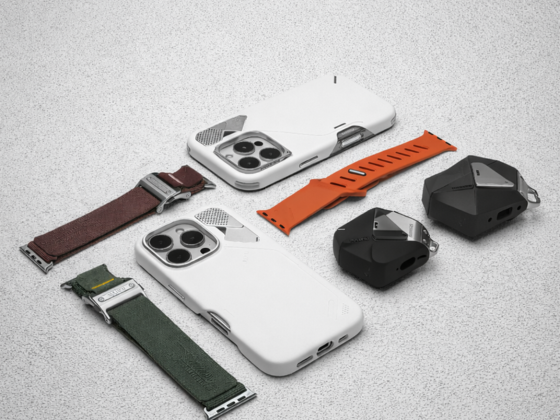
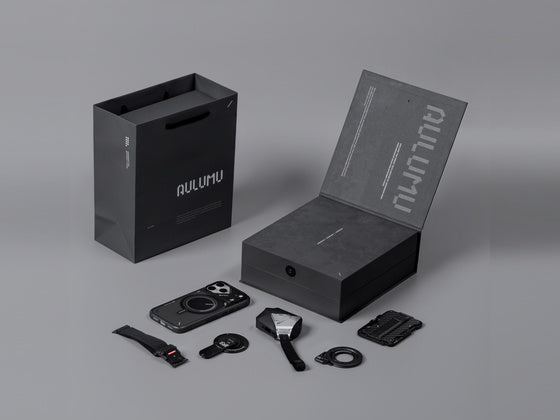
As smartphones become increasingly intelligent, phone accessories also need to evolve. In the past, the primary function of phone cases was protection. However, future phone cases may take on more functions, such as magnetic connectors, stands, card holders, heat dissipation and lens protection, and accessory connectivity. With the ever-expanding magnetic ecosystem, from phone cases to magnetic stands, wallets, car mounts, and even charging devices, smartphones are forming a complete magnetic ecosystem. This means that phone cases are no longer just passive protective layers, but may become "interfaces" connecting phones to other devices. Just like aulumu phone cases, which utilize magnetic technology to create unique interfaces, aulumu will showcase its various products at this year's IFA exhibition, bringing its unique style to the event.
After IFA 2026: Five Major Trends in the Future of Smartphones
Taking into account multiple fields such as AI, chips, communications, displays, batteries, and accessories, the mobile technology trends reflected at IFA 2026 can be summarized into five points.
- AI First : AI will gradually evolve from a feature in mobile phones into a fundamental capability of the entire operating system and user experience.
- Foldable & Flexible : Foldable screens and flexible display technologies will continue to explore the boundaries between mobile phones, tablets, and other mobile devices.
- Connected Ecosystem : Smartphones will form a more closely integrated ecosystem with smartwatches, headphones, glasses, cars, and smart homes.
- Smarter Accessories : Mobile phone accessories will gradually shift from simple protection and decoration to magnetic attachment, support, charging, heat dissipation, and modular expansion.
- Sustainable Technology : Higher energy efficiency, longer product lifecycles, and more sustainable materials and designs will become the long-term development direction of the industry.
 Conclusion
IFA 2026 showcases the next mobile lifestyle . If the key words for smartphone development over the past decade were faster, bigger, and better, then the key words for the next decade may become Smarter , More Connected , and More Personal . The future of smartphones is not just about a new phone with a faster processor, a higher-resolution camera, or a larger battery. The real future is about phones becoming the central gateway connecting AI, people, devices, and digital services. And the most noteworthy aspect of IFA 2026 is precisely this transformative future of smartphones, which may no longer be just a device we use every day, but rather the center of our entire personal digital life.